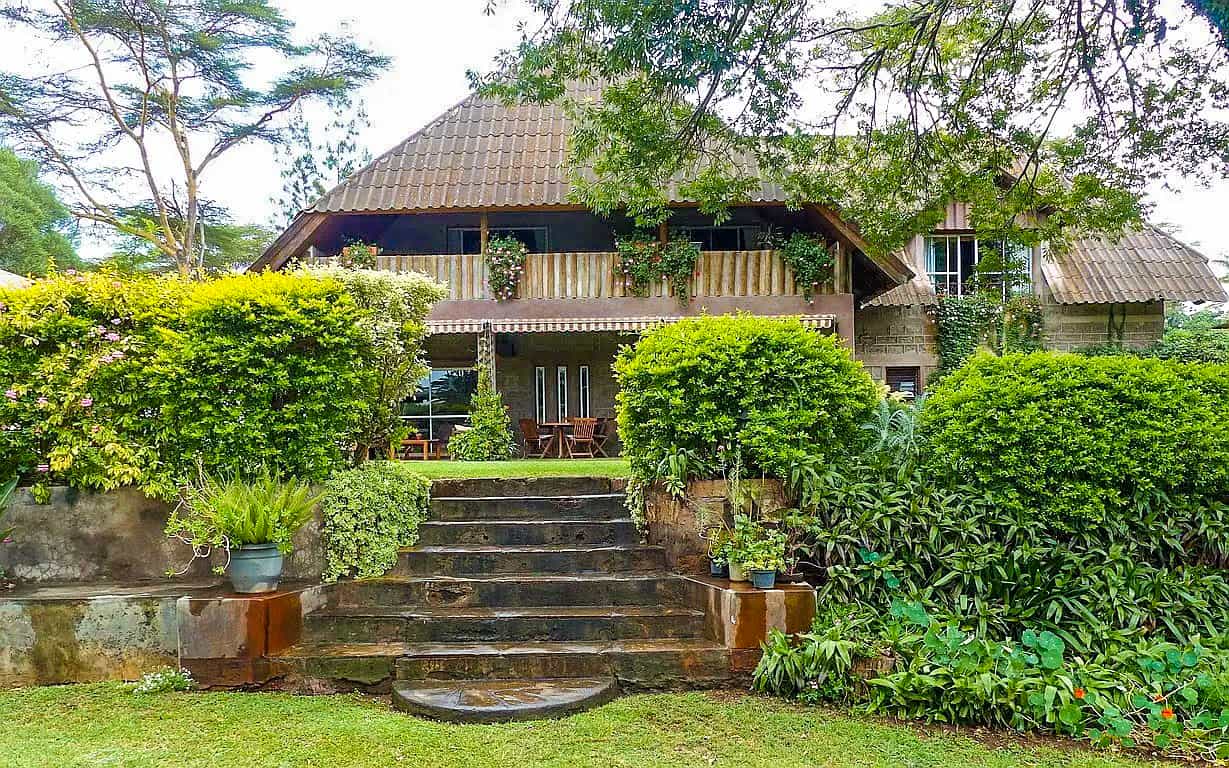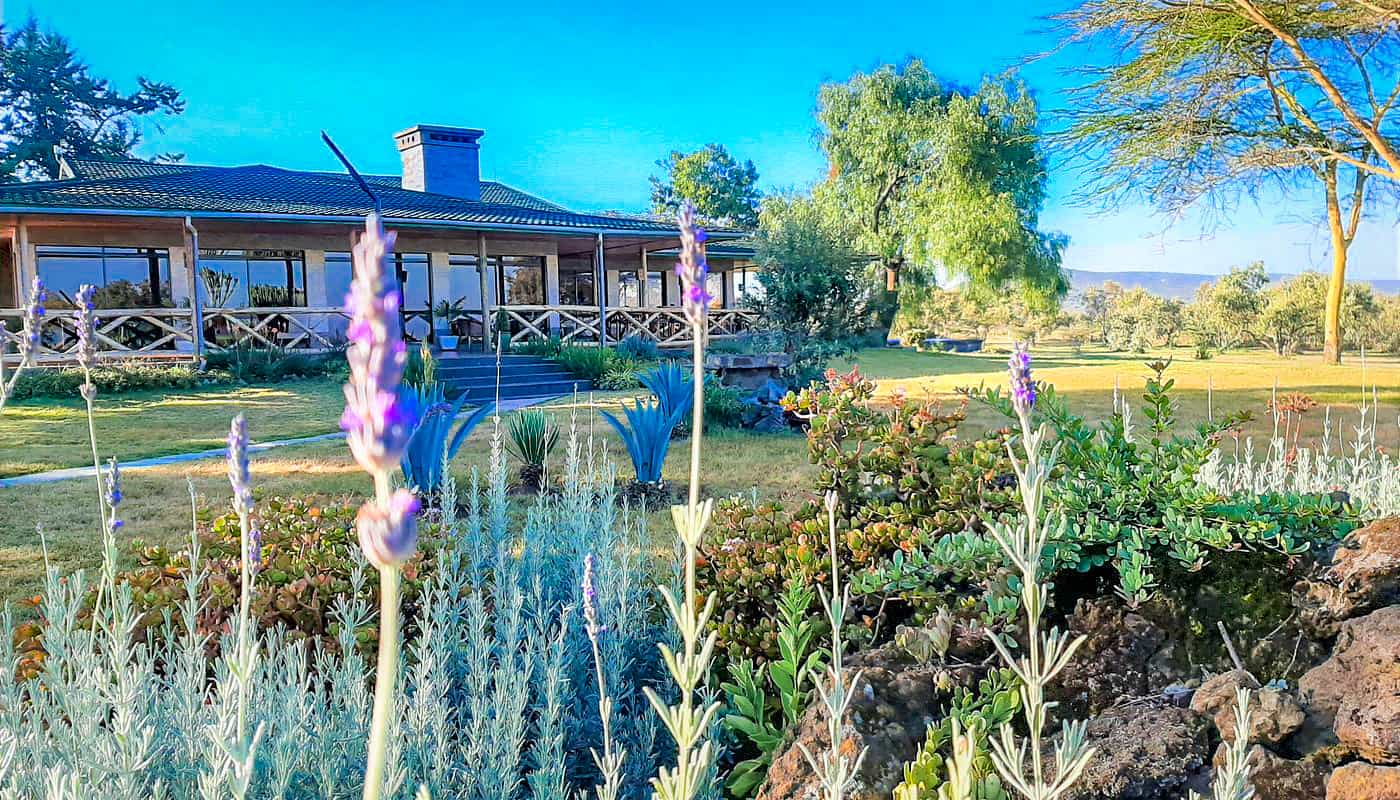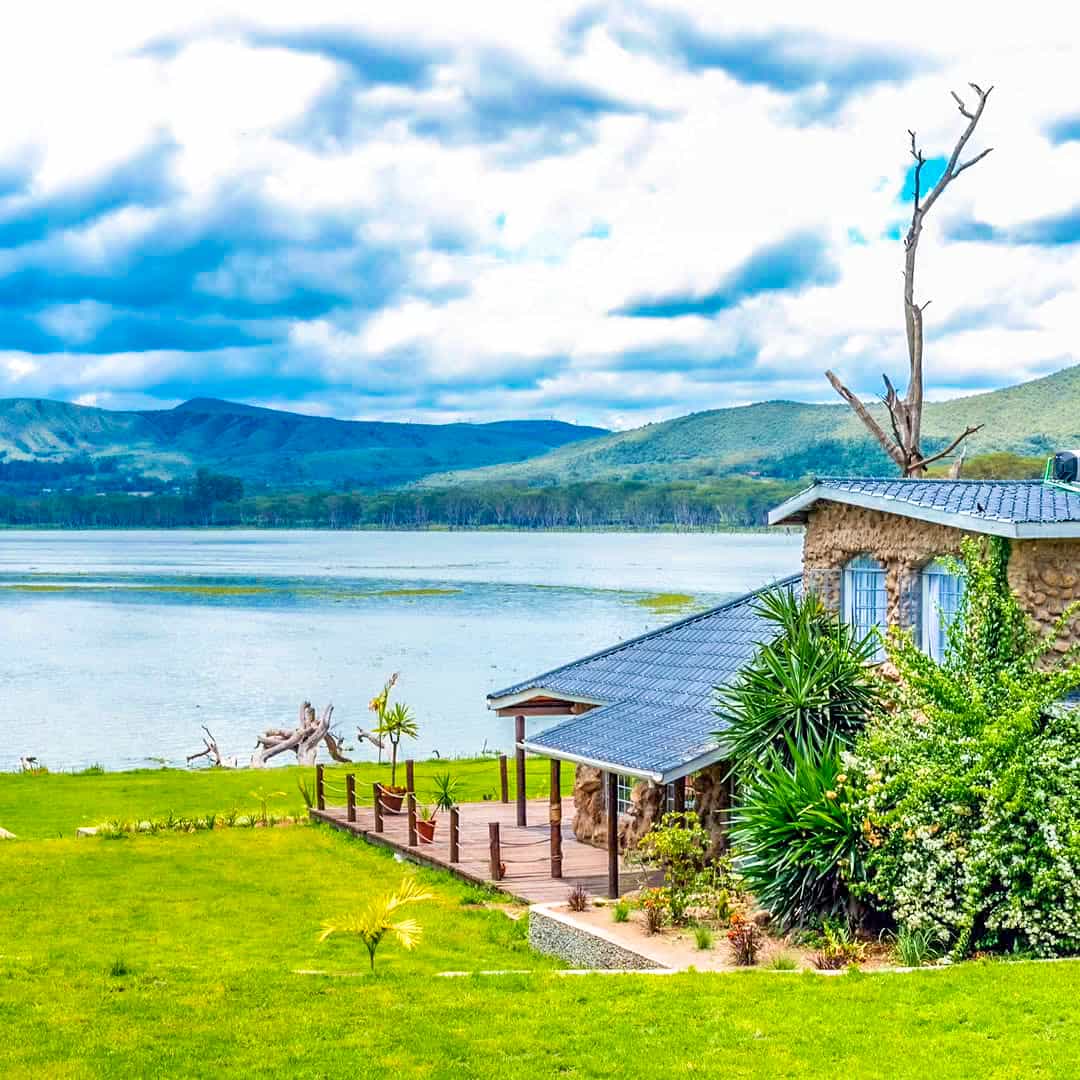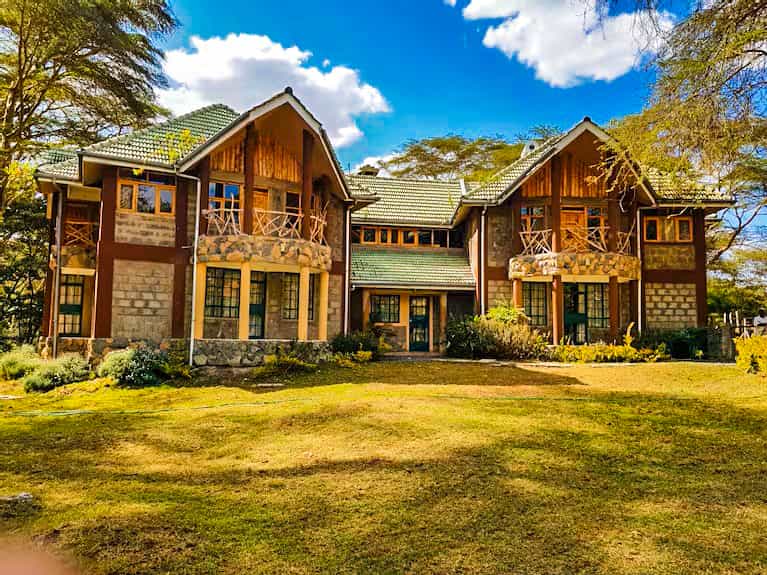

Elsamere Conservation Centre Naivasha
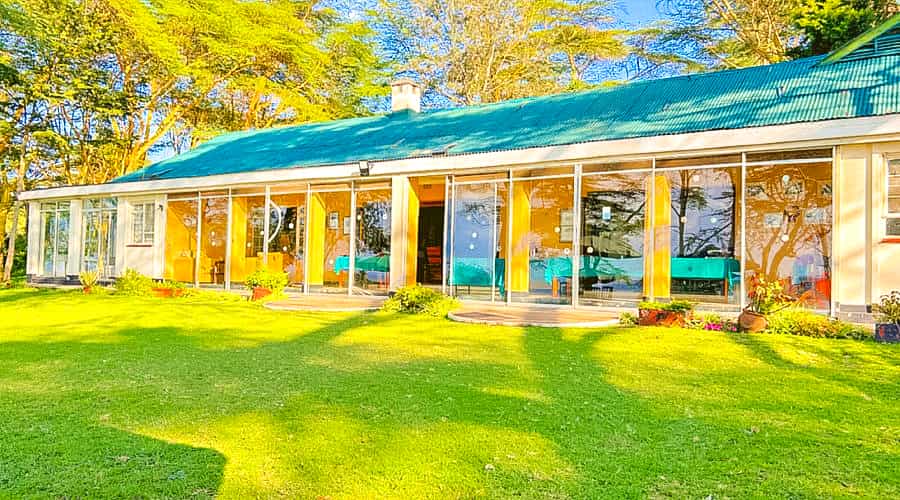
The Elsamere Conservation Centre is a historic wildlife sanctuary and environmental education hub located on the shores of Lake Naivasha in Kenya’s Great Rift Valley. Dedicated to sustainability and conservation, the centre preserves the legacy of renowned conservationists Joy and George Adamson, whose groundbreaking work with wildlife inspired global awareness of animal rehabilitation and habitat protection.
Elsamere was once the lakeside home of Joy and George Adamson. Their work with the lioness Elsa became internationally famous through the book and film Born Free. While George focused on reintroducing lions into the wild in northern Kenya, Joy transformed Elsamere into a creative sanctuary where she painted detailed studies of Kenya’s indigenous tribes and native flora, and authored further works on cheetahs and leopards. Today, Joy’s former study serves as a museum housing her original botanical artwork, personal memorabilia, and the Land Rover “Nightingale,” the vehicle in which George Adamson was tragically killed.
The centre is managed by the Elsa Conservation Trust (ECT), a non-profit organization established in the 1960s. Historically, royalties from the Adamsons’ books and films helped support conservation initiatives and contributed to the establishment and protection of several Kenyan national parks, including Meru, Samburu, and Hell’s Gate.
At the heart of Elsamere is the Centre for Education in Sustainability (CES), a leading environmental training and research facility in East Africa. The centre hosts researchers, universities, and international organizations studying Rift Valley ecology, water quality, and birdlife. Through outreach initiatives such as the “iLearnabout” program and the Annual Elsa Competitions, the trust engages more than 15,000 schoolchildren each year, nurturing environmental stewardship across over 50 participating schools. Community-based initiatives also address local environmental challenges, including human-hippo conflict, renewable energy education, and the management of invasive water hyacinth in Lake Naivasha.
Elsamere is part of the Lake Naivasha ecosystem, a Ramsar-designated wetland of international importance. The grounds support rich biodiversity, with over 200 recorded bird species including African Fish Eagles, Verreaux’s Eagle-Owls, gulls, and terns. The lush lakeside gardens are home to Black and White Colobus monkeys, while hippos, zebras, and giraffes are frequently seen along the waterfront and surrounding areas.
The centre maintains strict eco-practices, including solar water heating, rainwater harvesting, and organic gardening, reinforcing its role as a model for sustainable operations. Visitors can experience guided tours of the museum, educational programs, bird watching, and the tranquil lakeside gardens that once inspired some of Kenya’s most influential conservation work.
For travelers seeking a historic conservation site in Naivasha, a museum dedicated to the Born Free legacy, or an educational eco-centre on Lake Naivasha, the Elsamere Conservation Centre offers a meaningful connection to Kenya’s environmental heritage.