
Is Naivasha Good For Kids And Dogs?
Naivasha is widely considered one of the most family-friendly destinations in Kenya, offering wildlife experiences, outdoor adventure, and nature exploration that are accessible to visitors of all ages. Located just a short drive from Nairobi, it has become a popular weekend escape for families looking to introduce children to the landscapes and wildlife of the Great Rift Valley.
For dog owners, however, the experience is slightly more nuanced. While there are places where pets are welcome, Naivasha’s wildlife environment and national park regulations mean that travelling with a dog requires a bit more planning.
Understanding where children and pets can safely explore helps ensure that everyone enjoys the experience while respecting the surrounding wildlife and conservation rules.
Why Naivasha Is Perfect for Families
For children, Naivasha offers a rare opportunity to experience wildlife and nature in an open and engaging environment. Many of the region’s attractions allow visitors to explore on foot or by bicycle, something that is not always possible in traditional safari destinations.
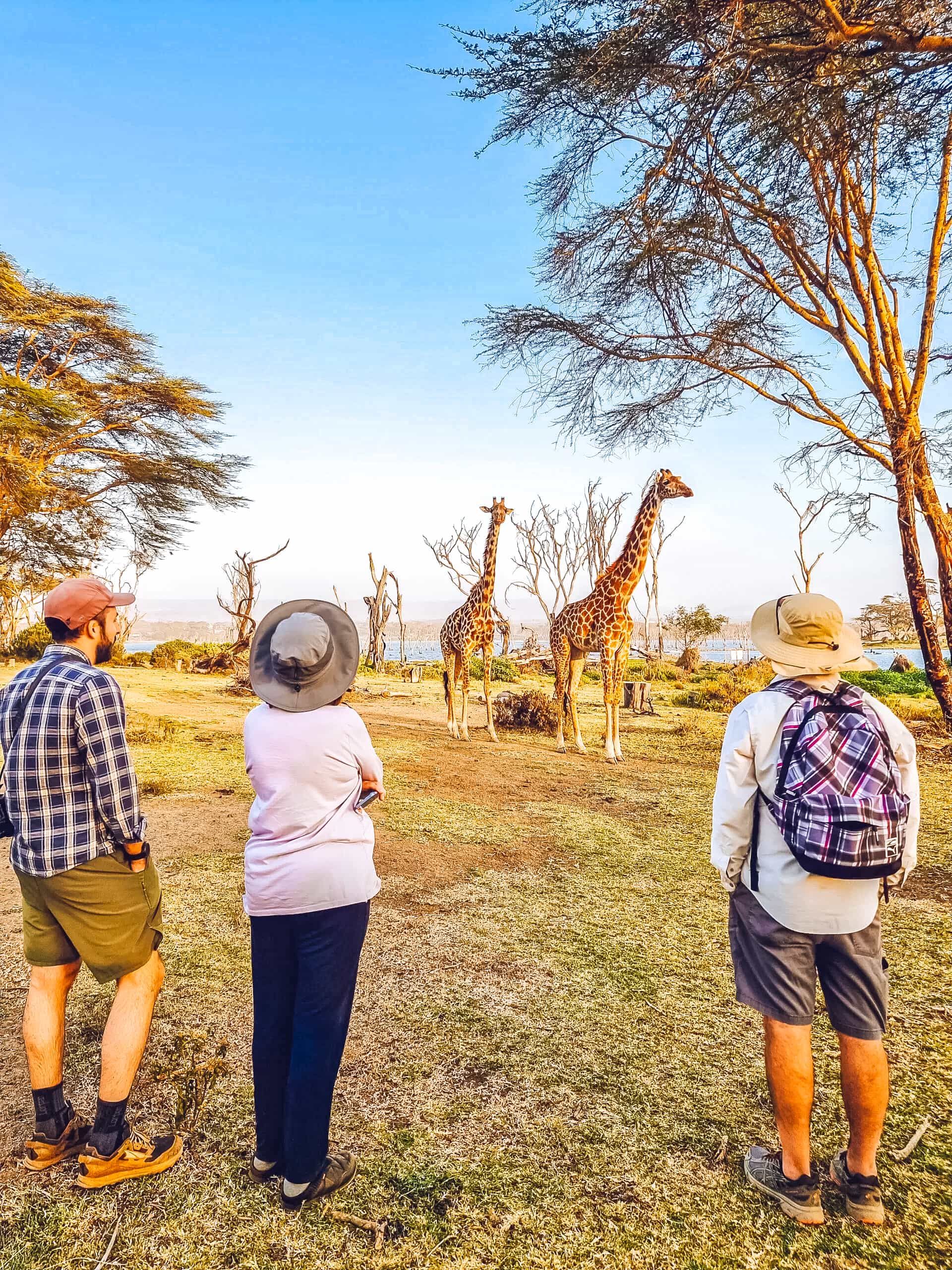
At Crescent Island Game Sanctuary, families can take guided walking safaris among giraffes, zebras, and antelope. Because there are no large predators on the island, children can move freely through the landscape while observing animals in their natural habitat. The experience often feels like an open wildlife classroom where nature becomes the teacher.
Older children and teenagers often enjoy more active adventures. Hell’s Gate National Park allows visitors to cycle through the park’s open plains while spotting wildlife along the route. The nearby Ol Njorowa Gorge offers an exciting hike through narrow rock corridors shaped by ancient water flows, giving young explorers a sense of adventure rarely found in traditional safari settings.
Families can also add educational experiences to their trip. Attractions such as the Maa Museum at Enashipai Resort introduce visitors to Maasai culture and history, while the Elsamere Conservation Centre offers insight into Kenya’s conservation legacy through the story of Joy Adamson and the famous Born Free wildlife project.
Travelling to Naivasha with Dogs
While Naivasha is excellent for families, travelling with dogs requires careful planning because of the region’s wildlife and conservation rules.
Most importantly, domestic pets are not allowed inside national parks, including Hell’s Gate National Park and Mount Longonot National Park. These restrictions are enforced by the Kenya Wildlife Service (KWS) to protect wildlife from diseases that domestic animals may carry.
However, some private properties and conservancies around Naivasha do allow dogs, particularly when they remain on a leash and under close supervision. Locations such as Sanctuary Farm or certain private lodges may permit dogs in designated areas, though it is always best to confirm policies in advance.
When walking a dog in wildlife areas, calm behaviour is essential. Animals such as zebras and antelope may interpret a barking dog as a predator, which can lead to defensive behaviour or sudden movement from wildlife.
Important Safety Tips for Dog Owners
One of the most important rules for pet owners in Naivasha involves the region’s hippos.
Lake Naivasha is home to a large population of these animals. During the day they remain in the water, but at dusk they leave the lake to graze on nearby grasslands. Because hippos are highly territorial and extremely powerful, dogs should never be allowed near lakeshore areas in the evening.
As a general guideline, dog owners should plan to be indoors or within fenced areas before sunset, ideally by around 5:30 PM.
The natural terrain in Naivasha also requires attention. Volcanic soil and dust can become hot during the day, and thorny plants common in the Rift Valley landscape can irritate or injure a dog’s paws. Sticking to established trails and checking paws after walks can help prevent discomfort.
Areas Where Extra Caution Is Needed
Whether travelling with children or pets, certain areas in Naivasha require extra awareness.
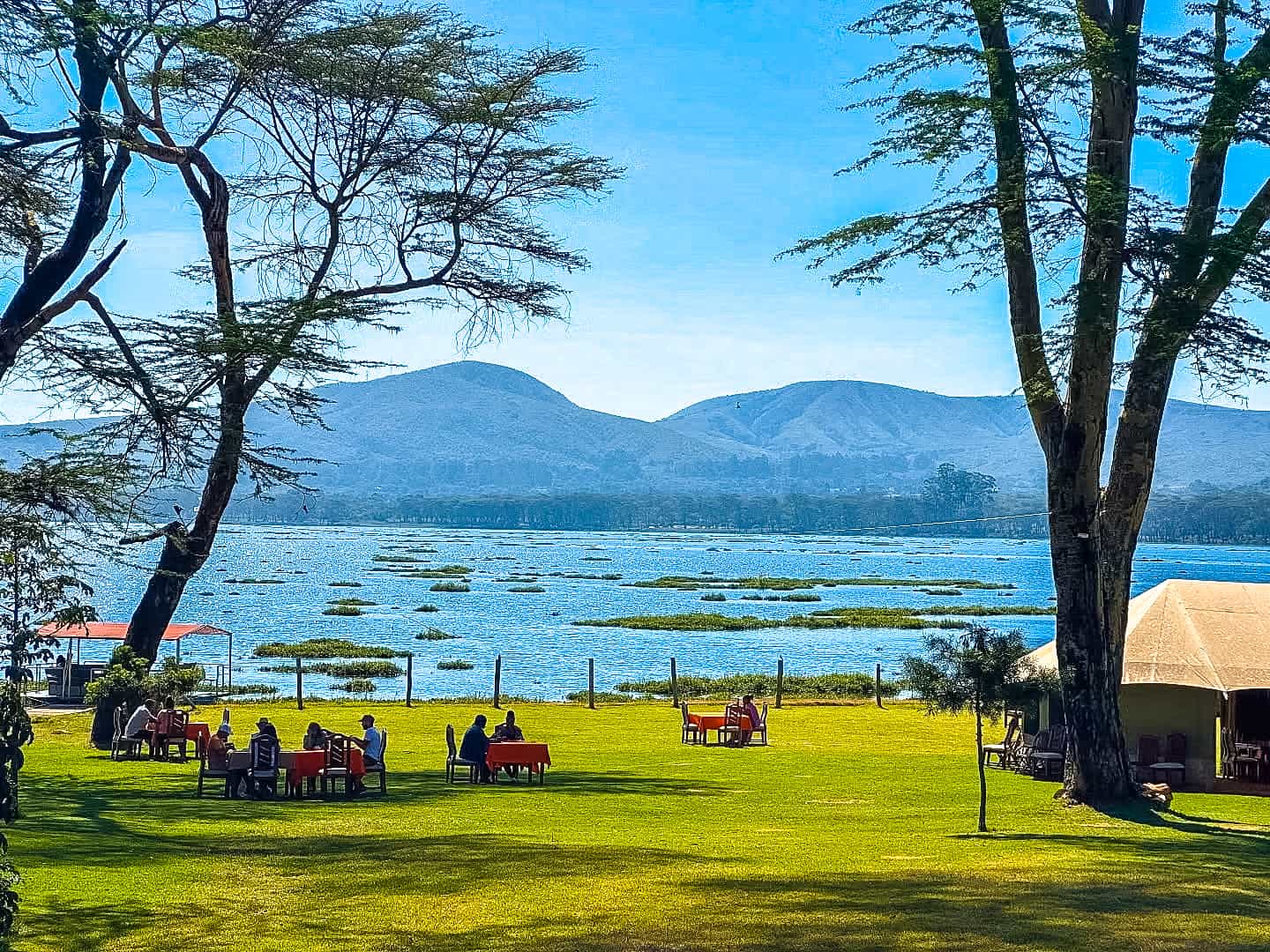
The lakeshore should always be approached carefully. Hippos often rest just beneath the surface of the water during the day, and crocodiles may also be present in some parts of the lake. Children and dogs should never play directly at the water’s edge.
Main roads such as South Lake Road can also be busy with trucks serving nearby flower farms. Because sidewalks are limited in some sections, it is safer to drive directly to designated walking areas or conservancies rather than walking along the roadside.
For those camping in the area, it is important to check whether the campsite has wildlife protection measures such as a hippo fence, usually a low-voltage electric barrier. If a campsite is unfenced, visitors should remain inside tents or vehicles after dark.
Emergency Contacts in Naivasha
While most visits to Naivasha are safe and enjoyable, it is helpful to have key contacts saved in case of emergencies.
Security and Police
Kenya Police (Naivasha): +254 50 202 0013
Tourist Police Unit: +254 722 203 132
Kenya Wildlife Service Naivasha Office: +254 722 204 747
Medical Services
AAR Healthcare Naivasha: +254 731 191 075
St. Mary’s Mission Hospital (Gilgil): +254 721 346 510
Veterinary Services
Dr. J.M. Ngigi (Naivasha Veterinary Services): +254 722 830 523
A Great Destination for Families and Responsible Pet Owners
Naivasha offers one of the most rewarding outdoor experiences in Kenya for families. Children can explore wildlife sanctuaries, cycle through national parks, and learn about the Rift Valley’s landscapes in ways that are both educational and exciting.
For pet owners, the destination can still be enjoyable with the right preparation and awareness of wildlife safety and conservation rules.
With thoughtful planning, Naivasha remains one of the most enjoyable countryside escapes near Nairobi for families seeking nature, adventure, and fresh air.